Practical life skills are woven into everyday learning at MCET because success in life extends far beyond academic achievement. From building healthy habits and emotional resilience to developing financial awareness, digital responsibility and personal safety, our students are encouraged to become confident, self-aware and independent individuals.
Through age-appropriate experiences and meaningful conversations, they learn to make informed decisions, manage everyday challenges and develop the confidence to contribute positively to the world around them.
Critical Thinking & Creativity
Mental Agility
Empathy & Awareness
Resourcefulness
Teamwork & People Management
Emotional Intelligence & Mindfulness
Adaptability
Confidence & Decision Making
Social Abilities & Leadership Qualities
At Maneckji Cooper Education Trust School, we believe that hands – on experience along with academics will prepare our children for successful adulting when the time comes. Life skills will enable them to have a little more control over how they respond to real life situations and daily stressors, become more independent and stay focused on their goals.
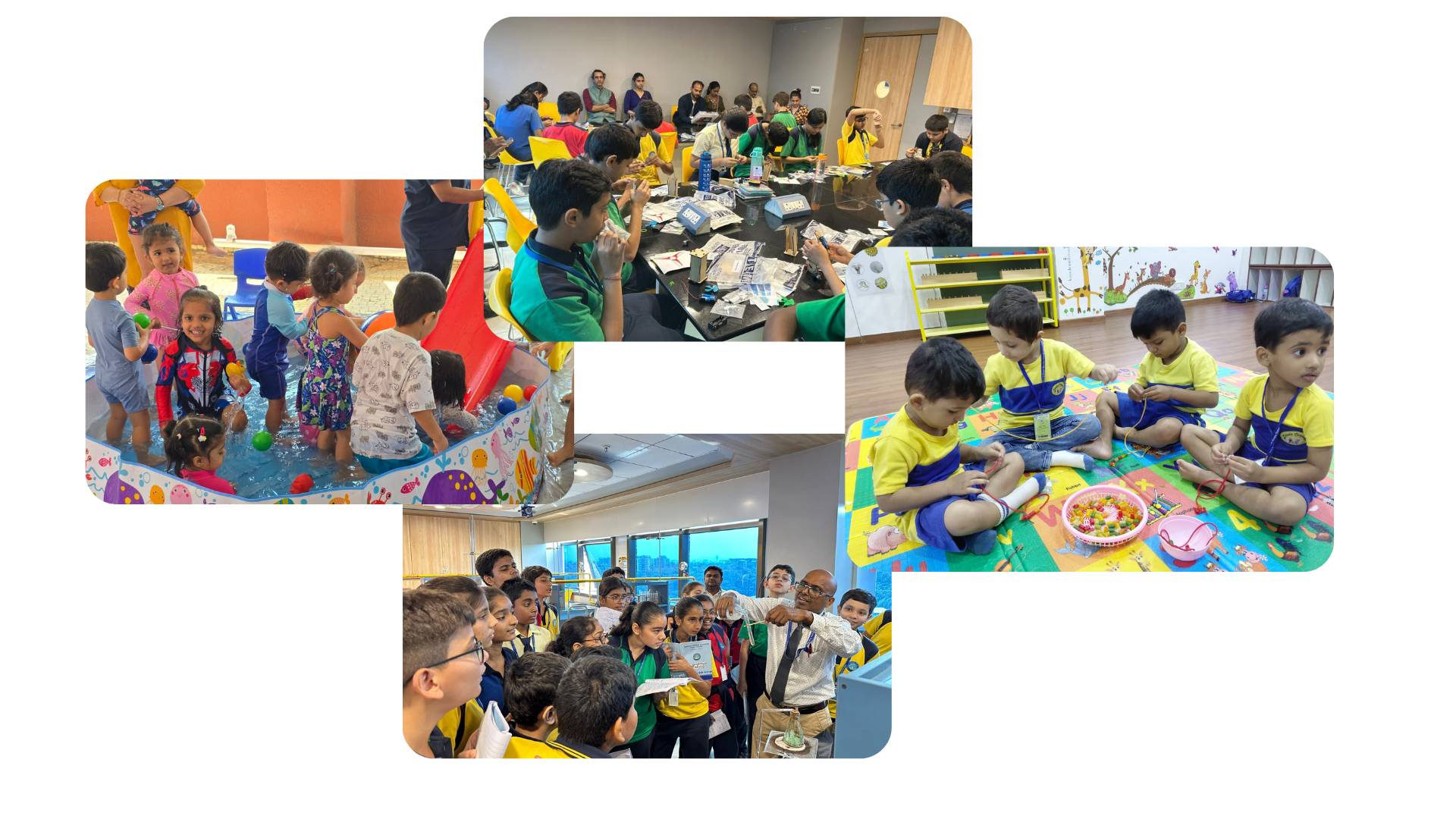
With this in mind, we incorporate activity-based learning in our daily school routine right from the early stages of learning. Here are some examples of the activity type and its objectives.
Mindfulness & Reflection
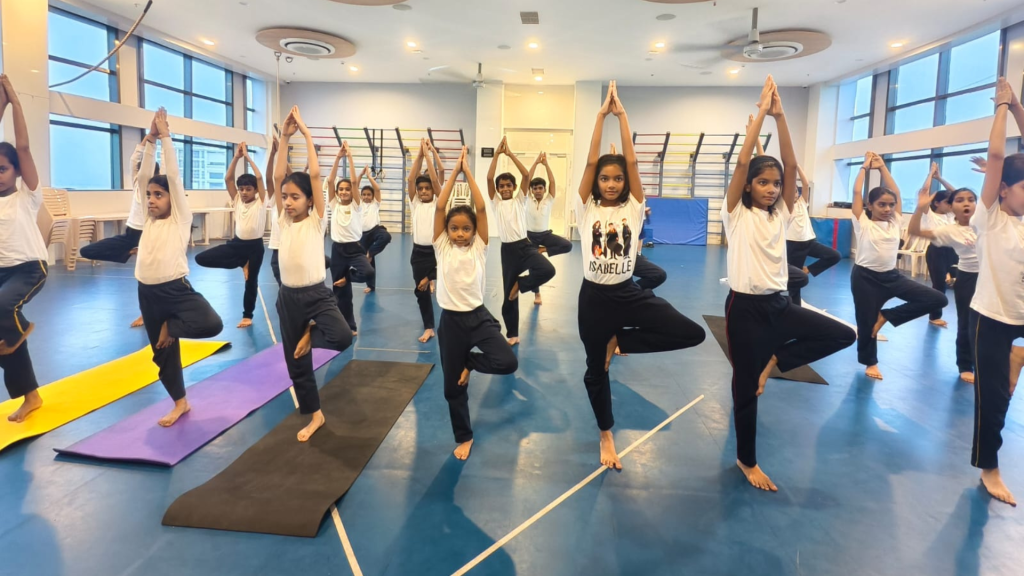
Every school day concludes with a dedicated 10-minute mindfulness session before dispersal. Students and staff come together to pause, reflect and consciously transition from the school day.
Simple guided meditation, mindful breathing and the Thought for the Day encourage everyone to let go of stress, cultivate gratitude and end the day with a calm and positive mindset. These moments of reflection nurture emotional well-being, improve focus and reinforce the importance of mental wellness as an essential life skill.
Creating a Daily Routine
Good habits are the foundation of lifelong success. At MCET, students are encouraged to develop routines that promote discipline, organisation and personal responsibility from an early age.
Whether it is managing time effectively, maintaining personal hygiene, balancing academics with recreation or adopting healthy lifestyle habits, students learn that consistency and self-discipline are valuable skills that extend well beyond the classroom.
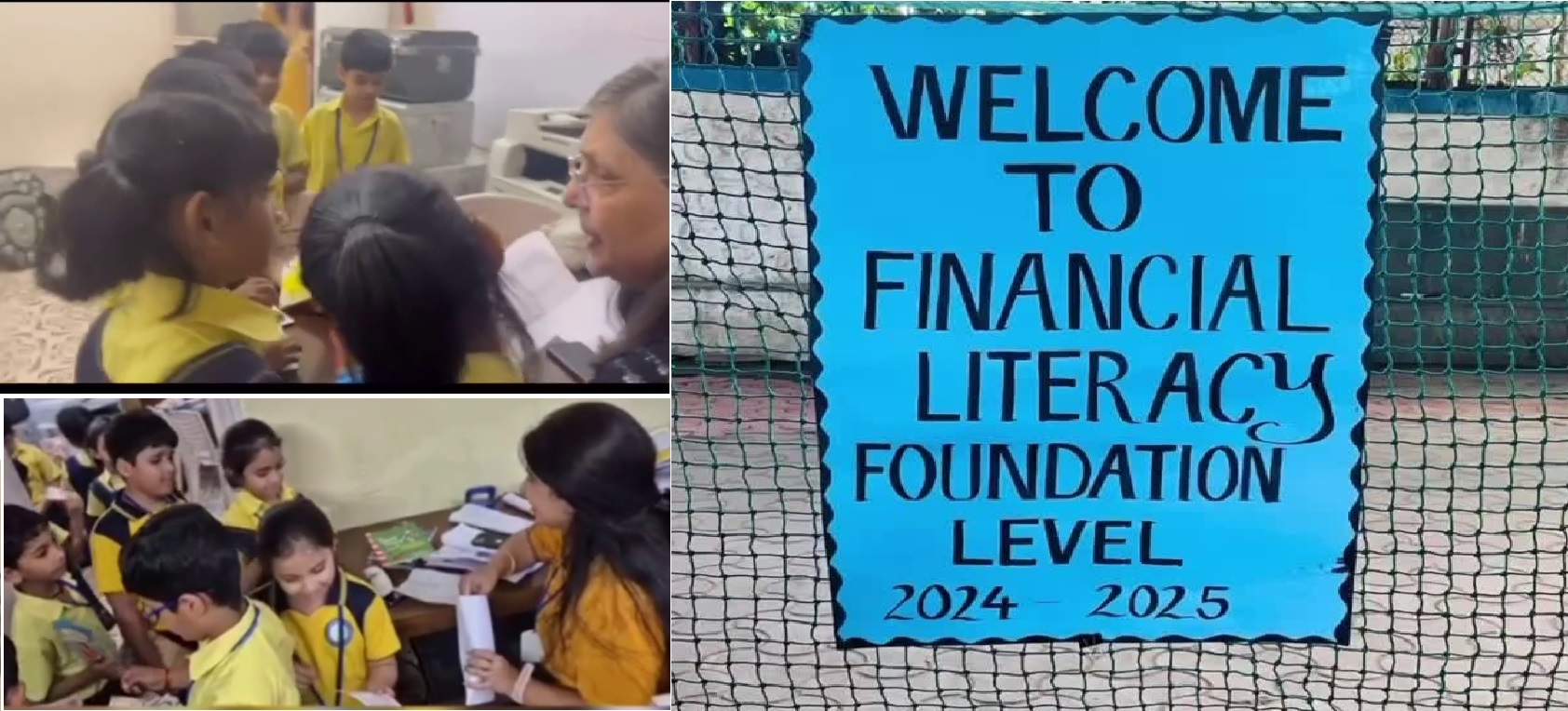
Financial Literacy
Financial responsibility begins with understanding the value of money. Through engaging, hands-on experiences, students explore concepts such as earning, saving, spending and making thoughtful financial choices.
Age-appropriate activities encourage budgeting, planning and responsible decision-making, helping students appreciate the importance of financial independence and informed money management in everyday life.
Safety
Creating a safe environment also means empowering students with the knowledge to respond responsibly in unexpected situations. Regular emergency preparedness programmes, including evacuation and fire drills, familiarise students with established safety protocols and emergency procedures.
Beyond practising drills, students learn the importance of situational awareness, remaining composed under pressure and making informed decisions that prioritise their own safety as well as the well-being of those around them. These experiences foster confidence, responsibility and preparedness—qualities that serve them throughout life.
Digital Citizenship
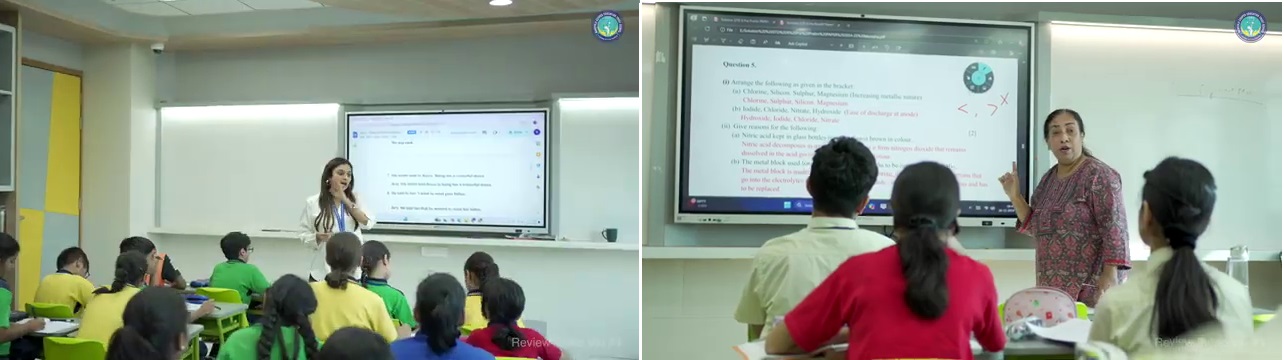
Technology is an integral part of modern life, and learning to use it responsibly is as important as learning to use it effectively. Students are encouraged to develop strong digital literacy while understanding online etiquette, cyber safety, responsible use of Artificial Intelligence and ethical digital practices.
By integrating technology into learning experiences, presentations and collaborative projects, students build the confidence to communicate, create and innovate responsibly in an increasingly connected world.